
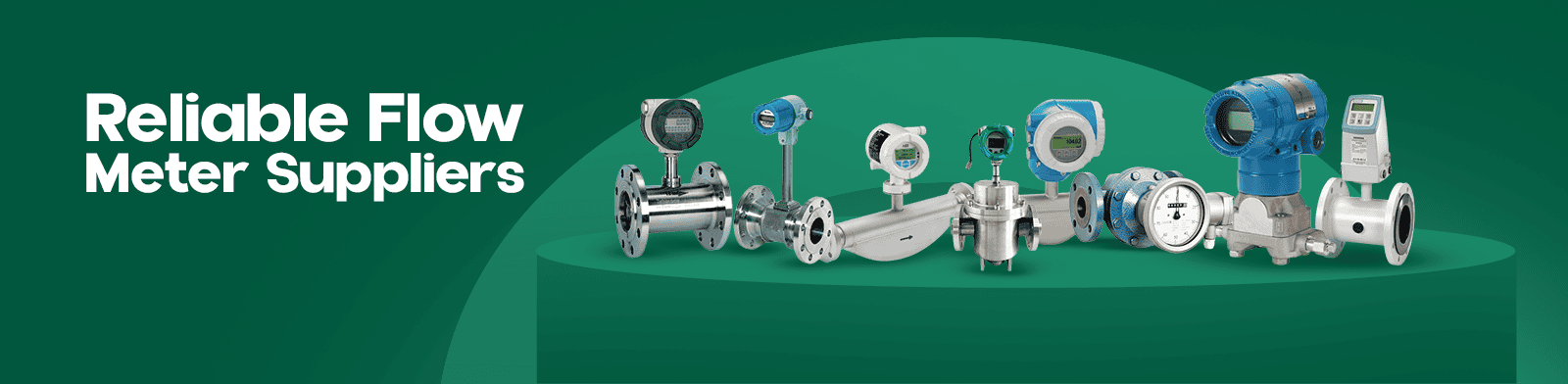
Flow Meters
Control Tech Middle East is a trusted flow meter supplier in Dubai, delivering precision-engineered solutions for accurate flow measurement across various industries. Our wide range includes Electromagnetic, Ultrasonic, Vortex, Turbine, Positive Displacement, Diesel, and Fuel Flow Meters, suitable for water, oil & gas, HVAC, chemical, and industrial processing. Whether you require a digital water meter, a mechanical flow meter, or advanced industrial flow meters in the UAE, we provide high-performance products backed by expert support and seamless integration options.
Explore Our Flow Meter Range


Looking for Trusted Flow Meter Suppliers in UAE?
As a leading flow meter supplier in the UAE, Control Tech Middle East offers a wide range of water and fluid flow meters engineered for reliability and performance. Our expertise spans industries such as oil & gas, food & beverage, chemicals, irrigation, terminals, marine, aviation, and defense. We provide complete support from supply and installation to technical services — across Dubai, UAE, the GCC, and Africa. Whether your needs are domestic or international, our solutions ensure consistent accuracy and durability. Accurate flow measurement helps prevent losses and optimize efficiency. Most meters work by calculating fluid velocity changes within a fixed pipe diameter — allowing precise determination of the flow rate, essential for better operational control.
Electromagnetic
Flowmeter
Non-invasive, maintenance-free solution for conductive fluids in water and chemical applications.
View Products
Vortex
Flowmeter
Reliable flow measurement for steam, gas, and industrial fluids with minimal pressure loss.
View Products
Mass
Flowmeter
Direct mass flow measurement ideal for gases and high-viscosity liquids with maximum precision.
View Products
Turbine
Flowmeter
High accuracy for clean, low-viscosity fluids like fuel, oil, and water in industrial use.
View Products
Ultrasonic
Flowmeter
Clamp-on, non-intrusive meter suitable for a wide range of pipe sizes and liquid types.
View Products
Differential Pressure Flowmeter
Measures flow based on pressure drop — widely used for both gases and liquids.
View Products
Oval Gear
Flowmeter
Positive displacement type ideal for high-viscosity fluids like oils and lubricants.
View Products
Positive Displacement Flowmeter
Highly accurate low-flow solution for batching, fuel, and oil metering applications.
View ProductsHow to Choose the Right Flow Meter
Choosing the correct flow meter depends on several critical factors like the type of fluid, operating conditions, accuracy requirements, and installation constraints.
In this video guide, you'll learn how to identify the most suitable flow meter based on your industry application—whether it's for water, oil & gas, HVAC, or chemical processes.
Flow Meter Selection Guide
Good flow meter selection begins with a clear understanding of your process needs. Assessing fluid characteristics and installation conditions ensures reliable and cost-effective measurement.
1. Define Process Requirements
Identify the fluid type, temperature, pressure, flow range, and properties like viscosity or conductivity.
2. Evaluate Installation Conditions
Consider piping layout, available space, ambient conditions, and straight-run requirements.
3. Specify Performance Needs
Define accuracy, repeatability, response time, and signal output type (e.g., 4-20 mA, Modbus).
4. Consider Plant Familiarity
Choose technology your team is comfortable with, and check spare part availability and failure history.
5. Estimate Total Cost
Don’t prioritize price first. Assess full lifecycle cost including installation, maintenance, and accuracy performance.
6. Ensure Compliance & Certification
Confirm that the flow meter meets relevant industry certifications (ATEX, ISO, FDA) for your application and region.
💡 Pro Tip: The most affordable meter isn't always the most economical—poor performance often costs more over time.
Electromagnetic Flow Meter
Electromagnetic flow meters are ideal for a wide range of industries — including water and wastewater treatment, chemical processing, power generation, fuel distribution, and even specialized applications like airflow monitoring and medical fluid control.
These meters excel at measuring high-viscosity liquids and slurries without clogging, and they maintain accuracy during pressure drops or low flow conditions. Perfect for pipelines with irregular or intermittent flows such as those at well sites.
Operating on velocity-based technology, electromagnetic meters are one of the most reliable solutions for conductive liquids. Many industries rely on them as digital water flow meters due to their accuracy, reliability, and integration capabilities.
- Ideal for water, wastewater, dairy, slurry, and chemical flow
- Non-intrusive & maintenance-free design
- 4–20mA output for SCADA/PLC control
- Used in food, pharma, mining, steel, and petrochemical sectors
Vortex Flow Meter
Vortex flow meters are a versatile choice for measuring both liquid and steam flow. These meters are designed to withstand high temperatures, making them ideal for use in steam lines, compressed air systems, and process plants where traditional meters fail due to heat distortion.
They are also widely used for airflow and gas measurement in compressors, HVAC systems, and industrial boilers. Vortex meters are appreciated for their stable readings, minimal pressure drop, and maintenance-free design.
Available in flanged, wafer, or insertion models, vortex flow meters are suitable for different pipe sizes and installation conditions. While flanged and wafer types offer better accuracy, insertion types are preferred for large pipelines or retrofits.
- Best for steam, gas, and air measurement
- High-temperature and pressure-resistant design
- Available in insertion, wafer, and flanged types
- Minimal maintenance and excellent long-term reliability
Turbine Flow Meter
Turbine flow meters are highly accurate instruments used for measuring the volumetric flow of clean, low-viscosity fluids. They work by monitoring the rotational speed of a rotor placed in the fluid path, with the rate of rotation proportional to the fluid velocity.
These meters are widely used in the oil and gas industry, water treatment plants, and automotive applications. They come in several designs, including paddlewheel, propeller, and axial turbine types, each tailored to specific flow profiles and installation needs.
Turbine meters are best suited for systems with steady, continuous flow and are commonly used for batch measurements, fuel monitoring, and liquid transfer systems.
- Ideal for water, fuel, oil, and chemical flow
- High accuracy and fast response time
- Multiple rotor types for tailored applications
- Common in automotive, energy, and lab settings
Clamp-On Ultrasonic Flow Meter
Clamp-on ultrasonic flow meters offer non-intrusive, highly accurate flow measurement without interrupting operations. They use the transit-time principle, sending ultrasonic pulses both upstream and downstream and calculating the difference to determine flow velocity.
These meters are ideal for drinking water, process water, oil, wastewater, and slurries. Because the sensors clamp onto the outside of the pipe, there’s no contact with the fluid — making them perfect for hygienic or corrosive applications.
With flexible mounting options like Velcro, chain, magnetic, or bolt-on kits, clamp-on ultrasonic meters are portable, easy to install, and perfect for both permanent and spot-check monitoring.
- Non-intrusive, no pipe cutting required
- Ideal for clean or dirty fluids, even with solids
- Great for large diameter pipes and retrofits
- Quick installation and removal for field use
Differential Pressure Flow Meter
Differential Pressure (DP) flow meters are among the most common and economical types of flow measurement devices. They operate based on Bernoulli’s principle, where a pressure drop across a constriction correlates to fluid velocity.
These meters are widely used in industries ranging from HVAC, oil & gas, water treatment, to pharmaceuticals. They support measurement of clean liquids, gases, and even steam with consistent performance and low maintenance.
The design is simple yet effective, making DP meters reliable for both permanent and temporary installations. Their popularity is due to their low cost, rugged design, and long-standing industry acceptance.
- Cost-effective for basic to advanced flow applications
- Works on clean liquids, steam, and compressed gases
- High reliability and compatibility with standard pressure taps
- Used in HVAC, utilities, chemicals, and water networks
Positive Displacement Flow Meter
Positive Displacement (PD) flow meters are precision devices that directly measure the actual volume of fluid flowing through the meter. As liquid passes through, it rotates internal components, which translate into an exact measurement of flow.
These meters are best suited for viscous, caustic, or low-flow liquids and are commonly used in industries such as oil & gas, food processing, chemical dosing, and fuel distribution.
PD meters do not require flow conditioning or straight pipe runs, and they maintain accuracy even during pulsed or intermittent flows. Their mechanical operation ensures accuracy without the need for complex electronics.
- Direct volumetric measurement
- Exceptional accuracy for low or intermittent flow
- Perfect for thick or contaminated fluids
- Used in chemical batching, diesel monitoring, and additive control
Oval Gear Flow Meter
Oval Gear Flow Meters are highly accurate positive displacement meters that measure liquid flow by capturing fixed volumes between rotating oval gears. Ideal for viscous fluids such as oils, adhesives, resins, and lubricants.
Known for their compact design and long-term stability, oval gear meters offer repeatable measurement with minimal pressure loss. They’re widely used in chemical dosing, hydraulic systems, and lube oil applications.
Their robust construction allows operation under harsh conditions, while the low maintenance design ensures minimal downtime. These meters are also effective in batching and blending operations.
- Highly accurate for viscous and corrosive fluids
- Compact footprint, ideal for tight spaces
- Excellent repeatability and reliability
- Common in petrochemical, paint, and food industries
Mass Flow Meter
Mass flow meters, such as Coriolis meters, provide direct measurement of mass flow rate rather than volume. These are highly accurate devices used for measuring gases and liquids regardless of pressure, temperature, or viscosity.
Often used in critical applications like chemical blending, gas flow, fuel monitoring, and high-precision batching, they detect flow by measuring the deflection of vibrating tubes as the fluid passes through.
With no moving parts and minimal installation requirements, mass flow meters offer long-term reliability, high accuracy, and zero drift — even under harsh industrial environments.
- Direct mass flow measurement – no need for temperature/pressure compensation
- Ideal for gas, slurry, and highly viscous fluids
- Used in pharmaceutical, chemical, and food processing
- Built-in diagnostics and self-monitoring features
How to Maintain a Flow Meter
Proper flow meter maintenance ensures measurement accuracy, minimizes downtime, and extends device lifespan. Follow these key strategies based on the flowmeter type and environment.
🧰 Choose the Right Meter
Selecting the wrong meter for your application leads to early issues. Base your selection on fluid type, temperature, pressure, and particulate presence.
🔩 Maintain Moving Part Meters
Check for wear and fouling. Install inline filters to prevent damage and schedule regular inspections if using with viscous or dirty liquids.
⚡ Maintain Obstruction-Free Meters
Ultrasonic and magnetic flow meters require regular checks of electronics and sensors. Remove coatings and check signal integrity.
🧼 Prevent Electrode Coating
Mag meters fail if electrodes are insulated by coatings. Clean regularly in chemical or slurry environments to ensure accurate conductivity readings.
🔍 Inspect Impulse Lines
In DP meters, clogged or corroded impulse lines distort readings. Flush and inspect lines periodically, and validate secondary element positioning.
📅 Schedule Preventive Maintenance
Plan maintenance frequency based on fluid quality, temperature, and system exposure. Logging service history helps anticipate replacements.
Flow Meter Installation Tips
Follow these essential tips for effective and trouble-free flowmeter installation.
Straight Pipe Length
Ensure 5–10x diameter upstream & 3x downstream to avoid turbulence and boost accuracy.
Prevent Air Gaps
Install at the lowest pipeline section and keep the meter completely full at all times.
Correct Flow Direction
Follow the flow arrow on the meter body to ensure proper signal output and operation.
Electrical Safety
Protect electronics from moisture, EMI, and excessive heat. Use proper junction boxes.
Flush the Line
Remove particles or debris before installation to prevent clogging or sensor damage.
Verify Calibration
Check and confirm output signal and calibration against control system after wiring.
Industries We Serve
Water Treatment
Accurate measurement of treated and raw water across plants.
Oil & Gas
Fuel flow meters for diesel, crude, and chemical blending.
HVAC & Utilities
Energy-efficient flow monitoring for chilled water and steam lines.
Food & Beverage
Hygienic flow solutions for juice, milk, and sugar syrups.